
Related Posts



The Employment Rights Bill: Are You Ready?
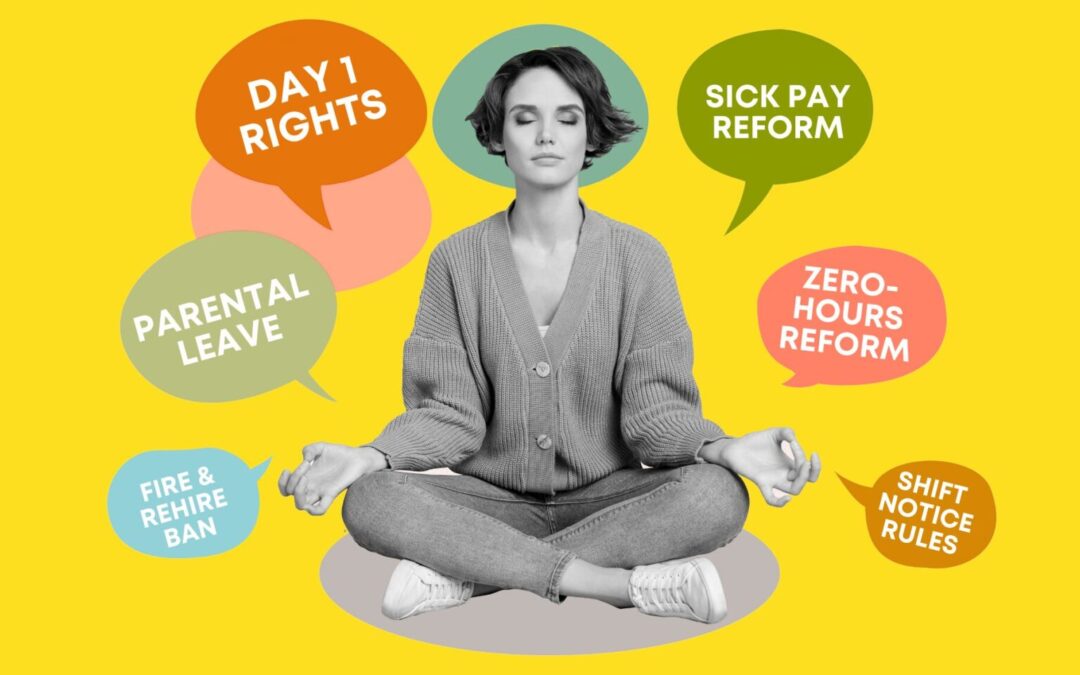
Keep calm — and get your contracts in order.
Big changes are coming to UK employment law — and most businesses won’t be ready.
The Employment Rights Bill is working its way through Parliament, and it’s not just another policy tweak. It’s a full-scale shift in how employers will need to hire, manage, and support their people from 2026 onwards. And if you’re running a business in 2025? Now’s the time to act.
In this article, we’ll walk you through what’s changing, why it’s happening, when it takes effect, and what you can do to protect your team and your business.
Why Is the Employment Rights Bill Happening?
In the Government’s own words, the bill is about making the workplace “more secure, more flexible, and more fairly rewarded.” It aims to close gaps in employment law that leave lower-paid, part-time and flexible workers without the basic protections many employers assume they already have.
Think zero-hours contracts with no guaranteed income. Workers missing out on sick pay because they earn too little. People being dismissed during probation without fair process.
This Bill aims to fix that. And while it’s good news for working people, it means more responsibility for employers — especially when it comes to contracts, policies and onboarding.

What’s changing and when?
Late 2025 (expected Royal Assent)
-
Repeal of most of the Trade Union Act 2016 and the Strikes (Minimum Service Levels) Act 2023.
-
Protection from dismissal during lawful industrial action.
April 2026
-
Statutory Sick Pay from day one (Lower Earnings Limit and waiting days removed).
-
Day-one rights to paternity leave and unpaid parental leave.
-
Fair Work Agency established with enforcement powers.
-
Stronger whistleblowing protections.
-
Protective award for collective redundancy breaches doubled.
October 2026
-
New limits on fire-and-rehire practices.
-
Duty on employers to take all reasonable steps to prevent sexual harassment, including liability for third-party harassment.
-
Employment tribunal time limit extended from three to six months (most claims).
-
Additional trade union measures, including a duty to inform workers of union rights and a statutory right of access.
2027 and beyond
-
Day-one protection from unfair dismissal, alongside a statutory probation framework.
-
Ending exploitative zero-hours practices: offer guaranteed hours where patterns are regular; reasonable shift notice and cancellation pay; applies to agency workers.
-
Bereavement leave from day one.
-
Regulation of umbrella companies.
-
Enhanced redundancy protections for working parents and pregnant employees.
-
Improved access to flexible working.
-
Changes to collective redundancy consultation thresholds.
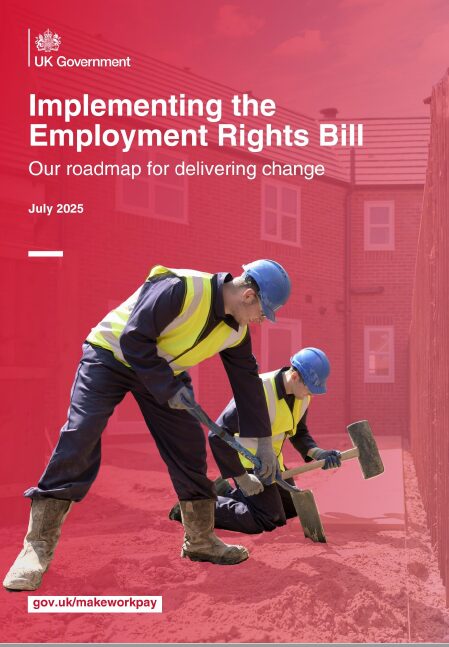
Download the Government’s Roadmap here…
What This Means for Employers
If you’re used to:
- Relying on probation periods to manage exits
- Making last-minute rota changes
- Operating casual or zero-hours contracts
…then you’ll need to take a closer look at how your policies will hold up after April 2026.
This Bill shifts the focus firmly onto employer responsibility. You’ll be expected to:
- Prove you’ve acted fairly from day one
- Provide predictable hours or respond reasonably to guaranteed hours requests
- Handle sick pay, leave and harassment reports with documented care
- Avoid fire-and-rehire tactics unless all options have been exhausted
And with a new Fair Work Agency in place, enforcement is no longer just a tribunal issue. There will be more oversight — and less room for error.

How to prepare now
You don’t need to rip everything up and start again. However, you do need to ensure the foundations are solid.
Here’s what we recommend:
Audit your contracts
Check your employment templates — permanent, temp, zero-hours. Do they reflect:
- Day-one rights?
- Fair dismissal procedures?
- Clarity around hours and expectations?
Update your sick pay and leave policies
Make sure:
– Sick pay kicks in from day one
– Parental leave and paternity leave policies reflect day-one access
Review onboarding and probation
Probation is no longer a safety net. Make sure you have structured reviews, clear feedback, and a documented process.
Look at how you manage shifts
If you cancel shifts, change hours at short notice or offer irregular patterns — those processes will soon come with rules.
Train your line managers
If someone’s leading a team, handling performance, or approving leave — they need to understand what’s changing.
Refresh your harassment and grievance policies
Employers will have a legal duty to prevent harassment — including by clients, customers, or suppliers. Policies need to be active, not passive.
What happens if you don’t prepare?
Waiting until 2026 to make changes? That could mean:
-
Tribunal claims from day-one employees
-
Legal exposure over sick pay or contract terms
-
Reputational damage if Fair Work enforcement action is taken
-
Internal conflict if managers are caught off guard
The earlier you act, the easier it is to stay ahead of risk.
How Noble Recruiting Can Help
We’re not just recruiters. We’re your partner in building a workforce that’s future-ready. Our team is already working with employers across Essex and beyond to:
- Supply contract-accurate, briefed candidates
- Advise on onboarding changes and documentation
- Support flexible and zero-hours recruitment with built-in compliance
- Match businesses with staff who understand modern rights and expectations
If you need short-term cover while you update your policies — or long-term hiring help that fits your post-2026 plans — we’re ready. Please book an appointment with one of our consultants today!
Final Thought
Employment law is changing. And while 2026 might seem a while off, the decisions you make now will shape how ready you are when the rules kick in.
The Employment Rights Bill isn’t just about compliance — it’s about confidence. Let’s get your business ready.
If you’re unsure where to start, we’re here to help.
Speak to our team of experts, or get in touch with me directly. Together, we can make sure you’re ahead of the curve.
— Joanna Noble, Managing Director
